Beneath the Caribbean sun, on the western third of the island of Hispaniola, lies a nation whose cultural heritage is as profound as its history is pivotal. Haiti, the world’s first Black republic, forged in the fires of a successful revolution led by enslaved Africans, possesses a cultural tapestry that is not merely preserved in museums but vibrantly alive in its streets, temples, art, and homes. It is a heritage defined by resilience, synthesis, and an unbroken spirit.
The Historical Crucible: A Fusion of Worlds
Haitian culture was born from a confluence of three foundational streams: the indigenous Taíno roots, largely erased by colonization but surviving in place names (like “Hayti” itself, meaning “mountainous land”) and agricultural practices; the West African traditions brought by enslaved people from nations like Dahomey, Kongo, and Yorubaland; and the European (primarily French) colonial influences. This fusion was not a peaceful blend but a fierce alchemy of survival. From this crucible emerged something entirely new and distinctly Haitian.
The Spiritual Heartbeat: Vodou
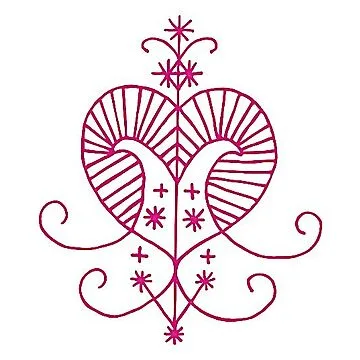
At the core of Haitian cultural consciousness lies Vodou (often spelled Voodoo), a spiritual system profoundly misunderstood by the outside world. Far from the Hollywood caricatures, Vodou is a sophisticated religion of community, healing, and ancestral reverence. It syncretizes West African deities (lwa) with Catholic saints, creating a rich pantheon and ritual practice. Ceremonies, with their mesmerizing drum rhythms, intricate vèvè symbols drawn in flour, and spirit possessions, are not performances but lived expressions of faith. Vodou provided the ideological fuel for the Haitian Revolution and remains a bedrock of identity, a sacred space where the ancestors walk with the living.
The Art of Resilience: Visual and Material Arts
Haiti’s visual arts are a global treasure, bursting with color, symbolism, and narrative power.
- Painting: The Haitian Renaissance began in the 1940s with the Centre d’Art in Port-au-Prince. Styles range from the detailed, “primitive” or naïve depictions of daily life and Vodou scenes by masters like Hector Hyppolite and Philomé Obin, to the dynamic, abstracted forms of modern artists. Every market scene, jungle landscape, or ritual ceremony painted is a testament to a people’s story.
- Sequined Flags (Drapo Vodou): These breathtaking textiles are more than art; they are sacred objects. Meticulously hand-sewn with sequins and beads onto cloth, they depict lwa and are used in ceremonies, shimmering with spiritual power.
- Metal Sculpture: Born from recycled oil drums, this art form transforms industrial waste into exquisite suns (soleils), angels, and geometric forms. The town of Croix-des-Bouquets is the epicenter of this craft, where the sound of hammers on metal fills the air.
The Rhythm of Life: Music and Dance
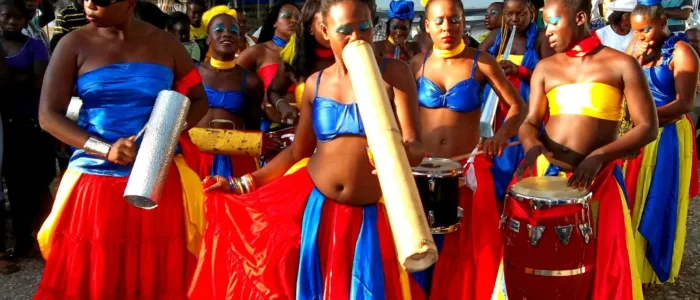
If Vodou is the soul, music is its pulse. Haitian music is an infectious blend of African rhythms, European melodic structures, and contemporary influences.
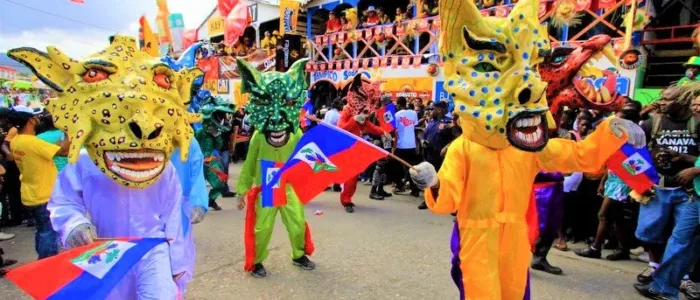
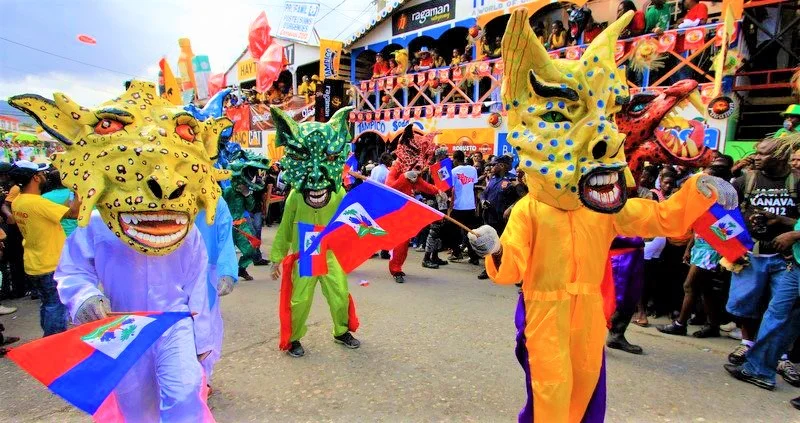
- Rara: A vibrant, participatory street music tradition during Lent, featuring bamboo trumpets (vaksin), drums, and whistles. It is a musical procession of community and spiritual assertion.
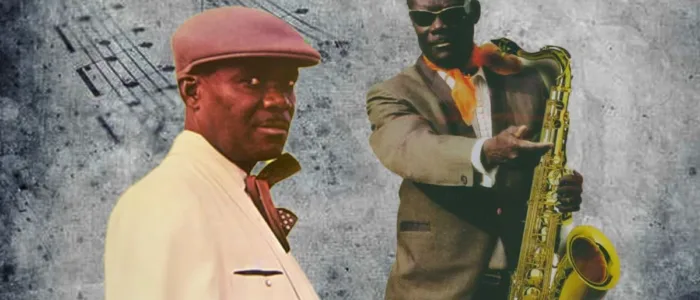
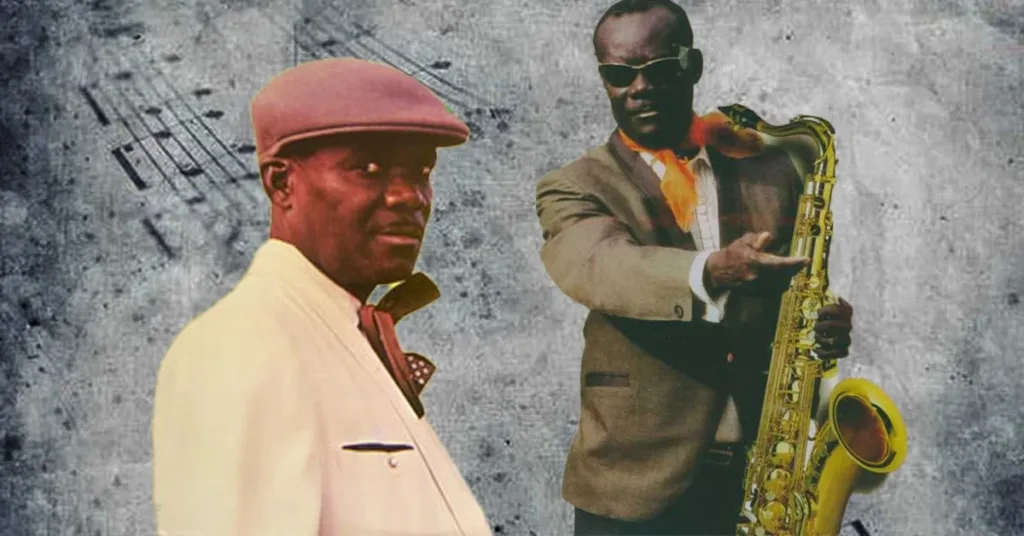
- Kompa (Compas): The smooth, danceable heartbeat of Haiti’s parties. Created by Nemours Jean-Baptiste in the 1950s, its sweet, rolling guitar lines and steady percussion are synonymous with celebration and romance.
- Twoubadou: Rooted in Cuban son, this folk style, often played with an accordion, guitar, and homemade instruments, tells stories of love, hardship, and social commentary.
- Dance is inseparable from music, from the sacred, precise movements of Vodou rituals to the celebratory yanvalou and the elegant social dancing to Kompa.
The Flavor of Heritage: Culinary Traditions
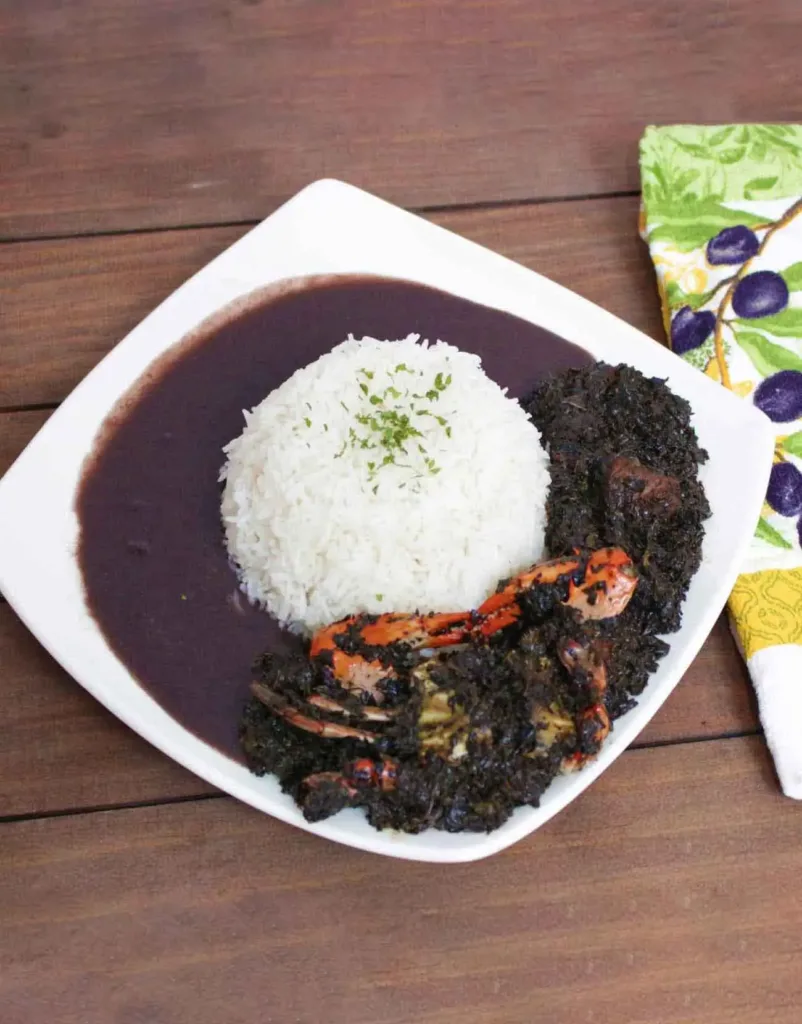
Haitian cuisine is a creolized feast. The foundational epis—a marinade of herbs, peppers, and garlic—is the flavor base for national dishes like griot (fried marinated pork), diri kole ak pwa (rice and beans), and soup joumou. This pumpkin soup, once forbidden to the enslaved, is now eaten every Independence Day (January 1st) as a powerful symbol of freedom and dignity.
Language and Storytelling: Kreyòl
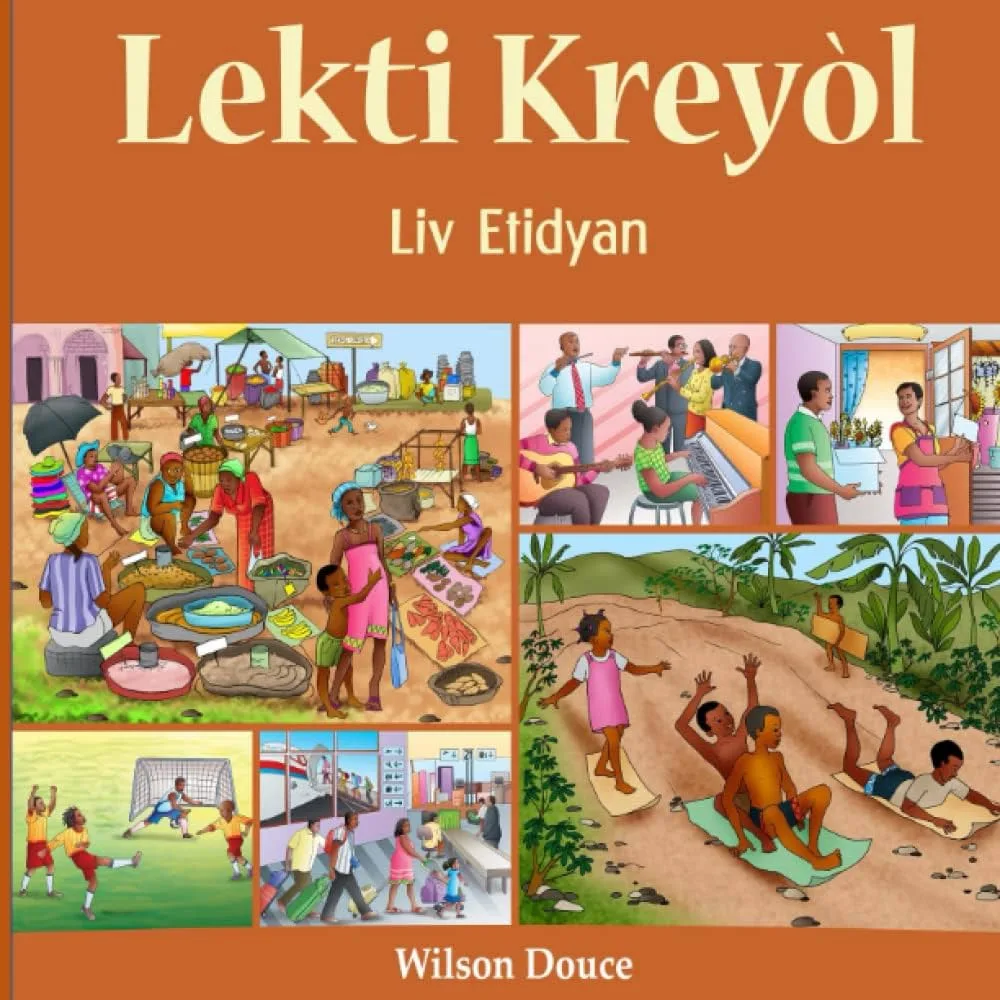
Haitian Creole (Kreyòl) is the language of the people, born from the need of enslaved Africans from different linguistic groups to communicate. It is the ultimate symbol of Haitian creativity and resistance—a full-fledged language with its own grammar and literature. Oral traditions of storytelling (istwa), proverbs (pwovèb), and songs carry history, wisdom, and humor from generation to generation.
A Heritage of Resistance and Renewal
Haiti’s cultural heritage is inextricably linked to its history of struggle and self-determination. Each drumbeat, each brushstroke, each spicy bite of food carries the memory of the Revolution and the ongoing resilience in the face of political and natural challenges. This culture is not static; it adapts, with artists and musicians engaging with diaspora influences and global issues, ensuring its relevance.
In Conclusion:
Haitian cultural heritage is a loud, beautiful, and defiant “yes” to life. It is a philosophy forged in liberty, a spirituality that honors the invisible, and an artistic expression that captivates the senses. To engage with it is to understand that Haiti’s greatest export is not just art or music, but an unparalleled lesson in human resilience and the transformative power of creative spirit. It is, as the Haitian saying goes, “Lespri guinen“—the indomitable African spirit, alive and thriving on Caribbean soil.